Paradise Palms & Las Vegas National: A Comeback Written on the Fairways
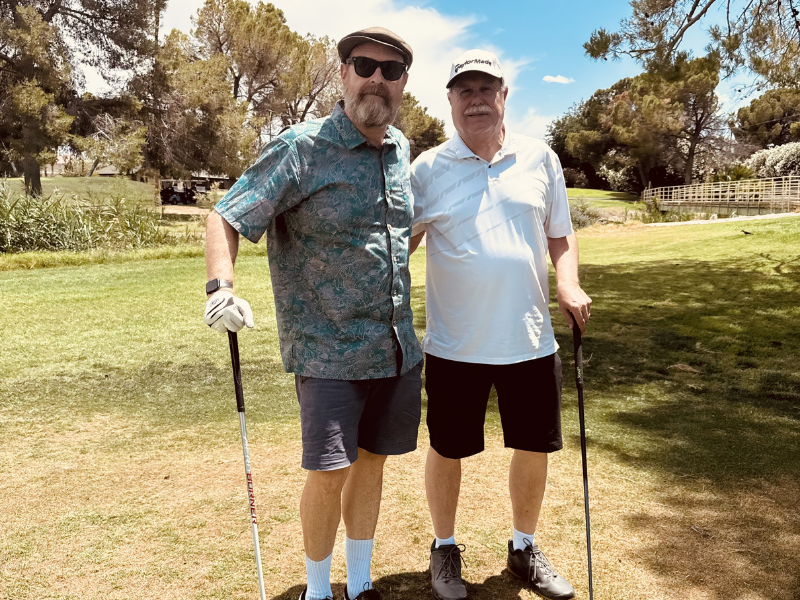
My first swings at The National
I still remember the first time I aimed down a fairway at Las Vegas National back in 2012.
The city was still bruised from the crash—empty houses, short sales, and bank‑owned properties were everywhere—but walking onto that course felt like stepping into another era.
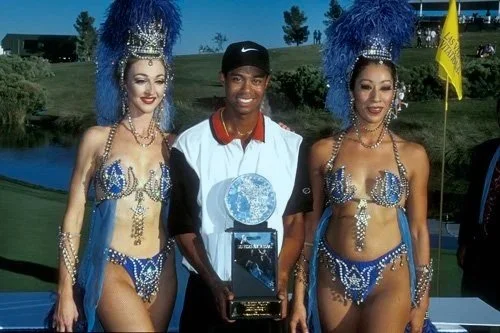
Out on those tree‑lined fairways, you can almost hear the echoes of when this was the Stardust Country Club in the 1960s, the LPGA and Tour players walking the same lines, and a young Arnold Palmer setting a course record 63 in 1967. Tiger Woods notched his first PGA Tour win on this rotation in 1996, and The National has the kind of old‑school layout that still punishes anything sloppy. I didn’t know it then, but as I learned the game on that course, I was also getting my first real education in the mid‑century neighborhood that wraps around it: Paradise Palms.
Back then, a lot of people were still writing this area off as “tired” or “past its prime.” I saw something different. I saw rooflines peeking over the trees, carports, breeze block walls, and long glass windows catching the afternoon light—clues that these weren’t just any tract homes. They were the same modern desert houses built for the city’s early dreamers, wrapped around a golf course that had already made history.
A golf course, a crash, and a comeback
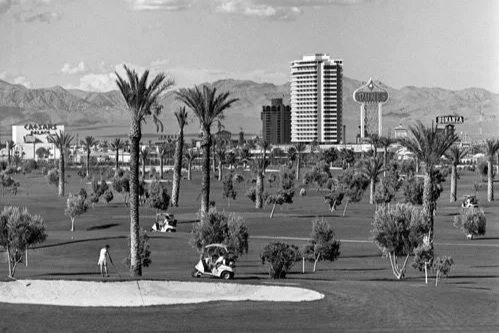
Paradise Palms and Las Vegas National were born together in the early 1960s, when developer Irwin Molasky and partners carved out the city’s first true master‑planned community around what was then the Stardust Country Club. Architect Bert Stamps laid out the course, and from 1961 on, it hosted major professional events and became a social hub for Vegas and Hollywood names. This was not a sleepy little local track; it was the stage where Arnold Palmer, Tom Kite, and eventually Tiger Woods all left their mark.
As the decades rolled on, the neighborhood around the course became home to entertainers and power players—names like Debbie Reynolds, Sonny Liston, and Howard Hughes associate Robert Maheu all show up in the Paradise Palms story. But like a lot of Las Vegas, Paradise Palms got hit hard in the housing collapse. Prices tumbled, investors swooped in, and too many of these architecturally significant homes were treated like disposable commodities instead of the mid‑century gems they are.
By the time I was learning to keep my drives out of the water in 2012, you could feel the tension: some streets still showed the scars of the crash, but others were already being rediscovered by people who saw the value in those low‑slung modern houses and their connection to The National. The same neighborhood that had once been the playground of Vegas royalty was quietly starting its second act.
Paradise Palms: desert modern wrapped around fairways
Paradise Palms started in 1960 as an $8 million master‑planned project—Las Vegas’ first—spearheaded by Irwin Molasky and Merv Adelson to bring modern desert living to what was then the edge of town. They hired Southern California modernists Dan Palmer and William Krisel, fresh off their success in Palm Springs, along with local architect Hugh Taylor, to design a community of glassy, dramatic, indoor‑outdoor homes wrapped around the golf course.
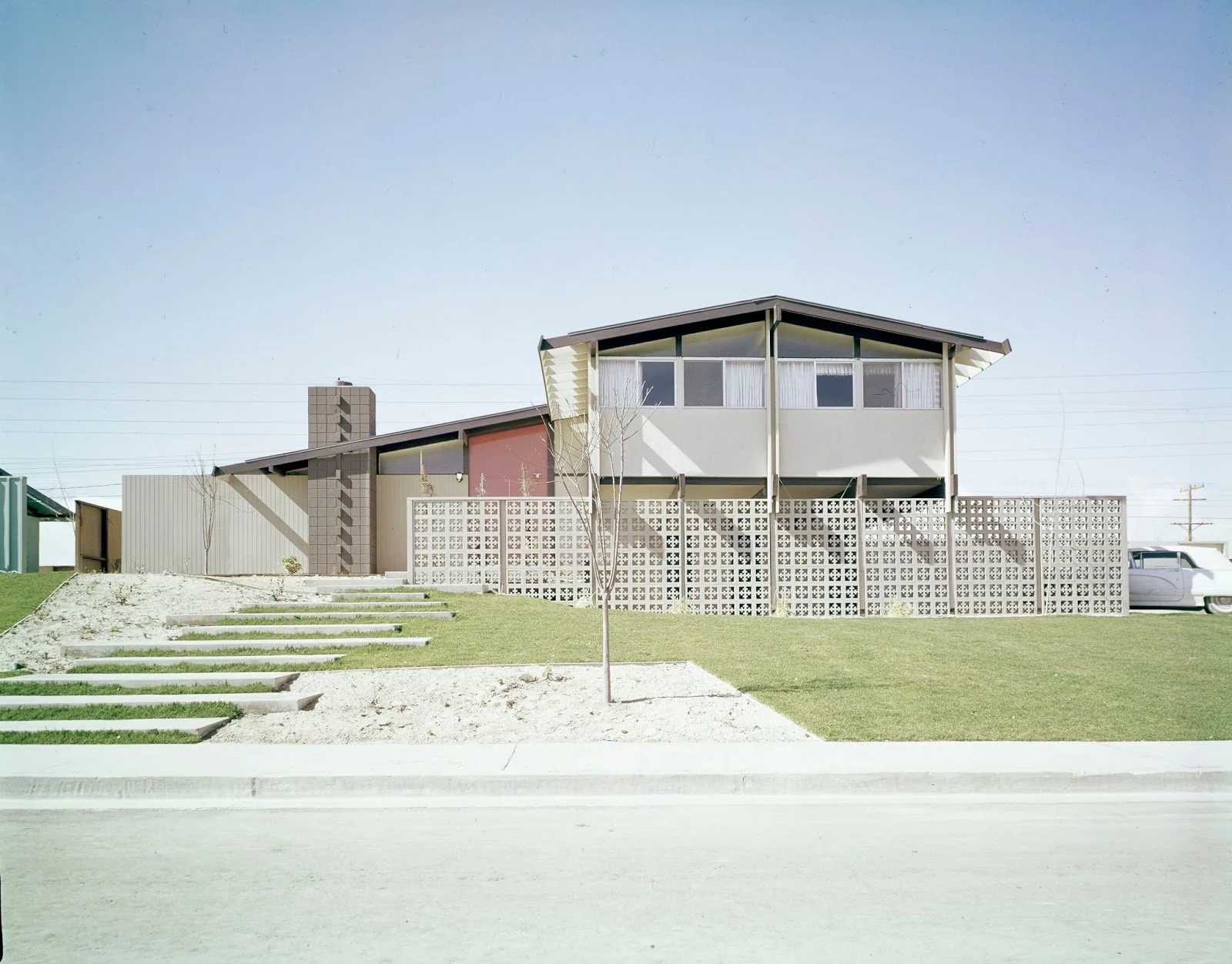
What they built between the early 1960s and late 1970s ended up being roughly 1,000 homes, including around 400 Palmer & Krisel designs, many of them backing right onto the fairways. These were not cookie‑cutter boxes. Think asymmetrical and butterfly rooflines, folded plate roofs, breeze blocks, clerestory windows, sunken living rooms, bright colors, and walls of glass opening to patios and pools—exactly the kind of architecture that now defines “mid‑century modern” in the desert.
Today, Paradise Palms is recognized as a historic neighborhood, with Clark County designating hundreds of its homes for preservation and even capping street signs with “Paradise Palms Historic Neighborhood.” The people moving in are a mix of creatives, hospitality and tech professionals, architecture fans, and long‑time locals who want that central location near the Strip and Downtown without living in a cookie‑cutter subdivision. They are drawn to the same thing I felt out on the course in 2012: character, history, and a sense that these houses have seen some things.
Living here now: a night in the life

Living in Paradise Palms today means your backyard is a time capsule and your lifestyle is pure “old Vegas meets new Vegas.” On one side, you’ve got fairway views, mature trees, and the quiet rhythm of golfers making their rounds at Las Vegas National. On the other, you’re a quick drive from the Strip, the Arts District, and Fremont East, with all the restaurants, cocktail bars, galleries, and music venues that make Las Vegas feel like a real city—not just a resort town.
A perfect evening might start with nine holes in the golden hour at The National, followed by a quick change in a sunken living room that still has its original stone fireplace and terrazzo floors. From there, you head Downtown for dinner at a chef‑driven spot in the Arts District or Fremont East, grab a cocktail in a bar where the neon glow feels like a cousin to your own mid‑century clerestory windows, and then come home to a quiet, low‑slung house that could easily be a film set.
That’s the real secret of Paradise Palms: it gives you access to the entertainment, food, and culture that people visit Las Vegas for, but your everyday life happens in a neighborhood that looks and feels nothing like a generic master‑planned suburb. It’s a lifestyle that connects your daily routine—coffee on the patio, chip shots in the backyard, school runs and commutes—to a deeper story about how this city grew up.
The market, the revitalization, and how I help
The housing collapse brought Paradise Palms to its knees, but it also set the stage for the revitalization we’re seeing now. Investors, preservationists, and mid‑century fans started buying up distressed properties, restoring original details where they could and thoughtfully renovating where they couldn’t. As historic status expanded and awareness grew, the neighborhood began to stabilize; buyers realized they could get architecture with a story, central location, and golf‑course adjacency—something you simply can’t replicate in a brand‑new tract.
Today, Paradise Palms is a thriving mid‑century modern enclave again, with a mix of fully restored time capsules, smart modern updates, and a few opportunities still left for someone to come in and do the work. When I walk buyers through these homes, I don’t just talk about bedrooms and bathrooms; I talk about the way Palmer & Krisel laid out the floorplans, the viewlines to the course, the history of The National, and what it feels like to be part of a neighborhood that helped define Las Vegas.
If you’re thinking about moving to Las Vegas and the idea of waking up in a mid‑century home wrapped around a historic golf course makes your heart beat a little faster, this is exactly what I do. I started my relationship with Paradise Palms on the tee boxes of The National in 2012, and I’ve watched the neighborhood fight its way back, house by house, ever since. Reach out to me for a Paradise Palms orientation tour—on the streets, and if you like, on the course—and let’s see if your next chapter belongs in this piece of living Vegas history.